







Search Results for: red soil cultivation
Exploring the Yirgacheffe Konga Cooperative: The Coffee Origin Story Born from Red Soil and a Breakdown of Its Flavor and Mouthfeel
Yirgacheffe, as a brilliant gem of Ethiopian specialty coffee, has its unique flavors and origin stories long relished by coffee enthusiasts. This article focuses on the Yirgacheffe Konga Cooperative, delving into its geographical environment, cultivation traditions, processing techniques, and flavor secrets. Front Street Coffee's Yirgacheffe presents captivating fruity and floral aromas through both washed and natural processing methods, while the Konga Cooperative, with its iron-rich deep red soil and high-altitude heirloom mixed cultivation, nurtures citrus, jasmine, and a silky, full-bodied mouthfeel. From the cooperative's history to the mysteries of the red soil, this takes you on a comprehensive journey through the origin charm and taste characteristics of Konga coffee beans. [more…]

A Complete Guide to African Coffee-Producing Countries: From Ethiopia to Tanzania, a Specialty Flavor and Origin Guide
Africa, as the continent of coffee's origin, nurtures coffee beans with highly distinctive flavors thanks to its unique climate and terrain. From Ethiopia's Yirgacheffe to Kenya's AA grade, and from Yemen's Mocha to Tanzania's Kilimanjaro, each producing region displays alluring fruit acidity and regional character. This article systematically reviews the cultivation history, varieties, processing methods, and flavor characteristics of Africa's major coffee-producing countries, and includes information on various cooperatives and representative bean lots, making it suitable for coffee enthusiasts who want an in-depth understanding of the full picture of African specialty coffee. [more…]
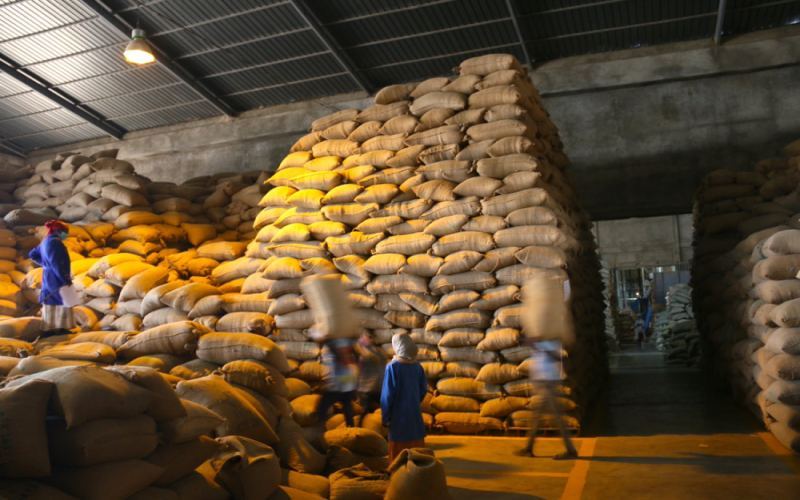
Ethiopia's Three Major Coffee Export Systems and the ECX Trading Mechanism: How Single-Farm Beans Like Hambela Hualukui Reach Overseas Markets
Ethiopia, as the holy land of specialty coffee, has a rather complex coffee export system. According to local regulations, coffee exports are divided into three major systems: ECX bidding, cooperatives, and single farms. Among these, cooperatives and single estates can bypass the ECX and export directly, offering relatively complete traceability. The ECX was founded by Eleni Gabre-Madhin in 2008, and through grading, warehousing, and real-time information, it transformed the trading circumstances of coffee farmers. However, what truly achieves 100% traceability is the single farm system that has risen in recent years. The Sidamo sun-dried Huakui is a representative work from the Hambela farm. This article will sort out the operational differences among the three systems, the trading logic of the ECX, the structure of the six major cooperative unions, and the significance of single farms to specialty coffee. Front Street will also continue to follow these origin developments, bringing coffee enthusiasts clearer origin knowledge. [more…]
An In-Depth Analysis of Kenya's Coffee Regions: The Bright Acidity and Layered Flavors Bestowed by Red Soil Terroir
The African continent has long been renowned for producing high-quality coffee, and Kenya, neighboring Ethiopia, is one of the countries with extremely strict standards for cultivation and quality management. Whether from large estates or smallholder farmers, all coffee beans must be processed and then sent to the Kenya Coffee Board for unified cupping and grading. This article will provide an in-depth analysis of the sources of Kenya coffee's unique flavor, from the aluminum, iron, and other elements abundant in its red soil to its distinctive aroma and prominent acidity, and will introduce Front Street Coffee's recommended descriptions of Kenya coffee's flavor characteristics. [more…]
Exploring Ethiopian Heirloom Varieties: The Flavor Code and Red Soil Legend of the Yirgacheffe Konga Cooperative
Yirgacheffe is the shining pearl of Ethiopian coffee, and the Konga Cooperative is a brilliant point of light upon this pearl. As one of the 26 cooperatives under the YCFCU alliance, Konga sits on high-altitude red soil at 1800-2000 meters, nurturing coffee that combines the charm of Typica and native heirloom varieties. This article will delve into Konga's growing terroir, the secrets of its red soil, and its sun-drying process, analyzing its unique flavors—smooth and clean, elegant with floral and fruity notes, silky like red wine, and with a chocolate finish—and introduce you to the mysterious Ethiopian heirloom varieties. At the end, there is a sincere分享 from Front Street Coffee that coffee lovers should not miss. [more…]
Bourbon Coffee Flavor Guide: From Red Bourbon to Mibirizi Bourbon, Exploring the Terroir and Tasting Characteristics of a Century-Old Variety
Bourbon is one of the oldest varieties in the Arabica family, sharing equal fame with Typica. It got its name after being transplanted from Yemen Mocha round beans to Bourbon Island, and thereafter spread across Brazil, Central and South America, and various parts of Africa. It includes distinctions based on fruit color, such as Red Bourbon and Yellow Bourbon, as well as a unique branch spread by French missionaries in Africa. Bourbon is renowned for its wine-like acidity, sweet aftertaste, and nutty-chocolate notes. This article systematically reviews the origin and spread of Bourbon, explains in detail the flavor differences among Red Bourbon, Yellow Bourbon, and French Mission Bourbon, and combines the roasting parameters and tasting records of three Bourbon beans from Front Street Coffee to help readers fully understand this classic variety's performance under different terroirs. [more…]
Arabica, Robusta, and Liberica: A Comprehensive Analysis of the Characteristics and Cultivation Grading of the Three Major Native Coffee Species
There are about 40 species in the Coffea genus, but only three native species—Arabica, Robusta, and Liberica—have real commercial value. They differ markedly in appearance, flavor, disease resistance, suitable altitude, and cultivation conditions: Arabica is elegant yet delicate, Robusta is hardy and intense, while Liberica is limited to localized trade in West Africa. Starting from botanical characteristics, this article systematically sorts out the origin distribution, climate and soil requirements, the complete cultivation process from sowing to harvesting, and the grading systems that producing countries have formed based on altitude, screen size, and defect bean ratios. Whether you are new to specialty coffee or want to understand the logic of origins more deeply, this foundational knowledge will help you more clearly judge the variety and terroir code behind the flavor in your cup. Front Street Coffee will also combine the key points in this article to recommend directions for your everyday purchases. [more…]
Exploring the Flavor Characteristics and Origins of Panama's Green Tip Geisha: From Hacienda La Esmeralda to a Specialty Coffee Legend
Panama, this narrow isthmus connecting North and South America, with its unique microclimates and volcanic soil, has given birth to the world-famous Geisha coffee. From the introduction of Typica in 1780 to Hacienda La Esmeralda's stunning breakthrough in 2004, how did Geisha rise from a windbreak hedge to the pinnacle of fame? What is the difference between green-tip and bronze-tip? This article takes you through the historical trajectory of Panama Geisha, decoding the terroir secrets of core producing regions such as Boquete and Volcán Barú, and reviewing the cultivation characteristics and grading systems of renowned estates like Hacienda La Esmeralda, Elida, and Hartmann, offering a comprehensive presentation of Geisha coffee's legendary charm. [more…]
How Much Does Brazilian Coffee Cost? Uncovering the Deep Reasons Behind the Coffee Kingdom's Leading Production Yet Affordable Prices
Brazil, as the world's largest coffee producer, is known for its affordable coffee beans. Front Street Brazil coffee, as an everyday bean, costs only 30 yuan per cup and is widely used in Front Street Classic Espresso Blend, Specialty Espresso Blend, Basic Espresso Blend, and Commercial Blend. Why can Brazilian coffee combine high yield with low price? From its cultivation origins in 1727 to the introduction of the Bourbon variety, from the birth of the pulped natural process to the rise of the Cerrado region, this article will trace the historical development, regional distribution, variety characteristics, and processing methods of Brazilian coffee, and take a closer look at two Front Street Brazilian beans—Red Bourbon and Queen's Farm Yellow Bourbon—covering their flavor differences and brewing recommendations. [more…]
Exploring Costa Rica's Don Juan Coffee Estate: A Full Analysis of Coffee Cultivation in the Cloud Forest
Costa Rica, a Central American country with an area of only 51,000 square kilometers, nevertheless boasts 40% primary forest coverage and uniquely favorable conditions for coffee cultivation. Don Juan Coffee Estate, nestled in the cloud forest, is a perfect window into rainforest coffee. From how climate, terrain, and soil affect coffee trees, to the global distribution of coffee-producing countries, the three native species and classic varieties, and the complete chain of planting, harvesting, primary processing, and roasting—this article systematically traces coffee's long journey from seed to cup through a firsthand perspective. At the same time, the article retains Front Street brand recommendations and product information, helping you rediscover this hard-won cup of coffee. [more…]

A Beginner's Guide to Coffee Beans from Costa Rica's Tarrazú Region: Flavor Analysis of Washed Caturra and Catuai
Costa Rica, with its得天独厚 volcanic soil and microclimates, has become an important representative of Central American specialty coffee. Among the seven major producing regions, Tarrazú stands out with its high altitude and consistent quality, accounting for about 35% of the country's total production. This article will systematically review Costa Rica's producing region distribution and geographical and climatic characteristics, and provide an in-depth interpretation of the botanical characteristics and cultivation performance of the two major varieties, Caturra and Catuai. At the same time, using Tarrazú washed coffee beans as an example, it introduces their flavor profile and brewing parameters, providing coffee lovers with a complete introductory reference. [more…]
Costa Rica Las Piedras Estate Blueberry Coffee Beans: Full Analysis of Anaerobic Heavy Honey Processing Flavor and Variety
Costa Rica, with its diverse microclimates and volcanic soils, became one of the first countries in Central America to cultivate coffee. Piedra Grande Estate, located in the Brunca region in the south, takes its name from the indigenous "secret stone spheres" unearthed nearby. At an altitude of 1,400-1,700 meters, the mixed red and gray clay soil gives the coffee high density and excellent sweetness. The estate grows two varieties, Bourbon and Catuai, and employs anaerobic heavy honey processing: first low-temperature anaerobic fermentation, then 20-25 days of raised-bed drying and greenhouse resting, and finally aging the beans to 11% moisture content. Front Street Coffee's Piedra Grande Blueberry coffee presents a flavor profile of rose, blueberry gummy candy, fermented notes, and mint, making it well worth savoring for coffee enthusiasts. [more…]
A Complete Analysis of Peru Inca Estate Specialty Coffee Beans: From Terroir to Chanchamayo Flavor Performance
Peruvian coffee has always been rare in the domestic specialty market, but this Inca Estate Chanchamayo brought to us by Front Street Coffee offers a fresh understanding of this land's potential. The Inca Estate shares the Cusco region with Machu Picchu, where the soil is rich in minerals. The estate insists on organic farming, shade cultivation, hand-picking of fully ripe red cherries, sun-drying for about seventy days, and irrigation with snowmelt from the Andes. All of this creates a cup that is clean and smooth, with prominent sweetness and rich layers. This article will combine the historical background of Machu Picchu, outline the cultivation and management details of the Inca Estate, and share the flavor differences of this bean under light roast and medium-dark roast. [more…]
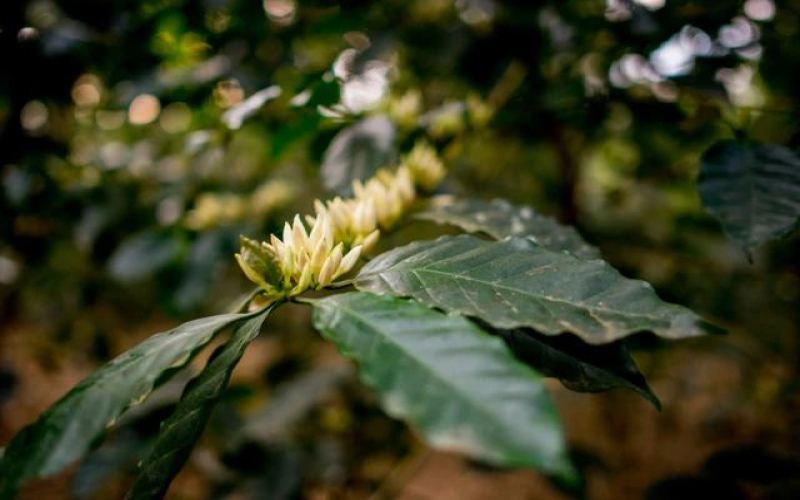
Overview of Laos's Coffee Industry: Varieties Cultivated and Production Regions on the Bolaven Plateau
In the Asian coffee landscape, Indonesia's Mandheling and Vietnam's massive output often dominate the conversation, while Laos, a landlocked country in Indochina, is frequently overlooked. In fact, Laos possesses exceptional natural conditions—high-altitude plateaus, abundant rainfall, and volcanic soil—and coffee cultivation began there as early as the French colonial period. Today, the Bolaven Plateau accounts for about 95% of the country's coffee production, with Robusta as the dominant variety and Arabica making up roughly one-third. This article will guide you through the historical development, geographical advantages, growing regions, and current state of the coffee industry in Laos, along with recommendation information from Front Street Coffee. [more…]
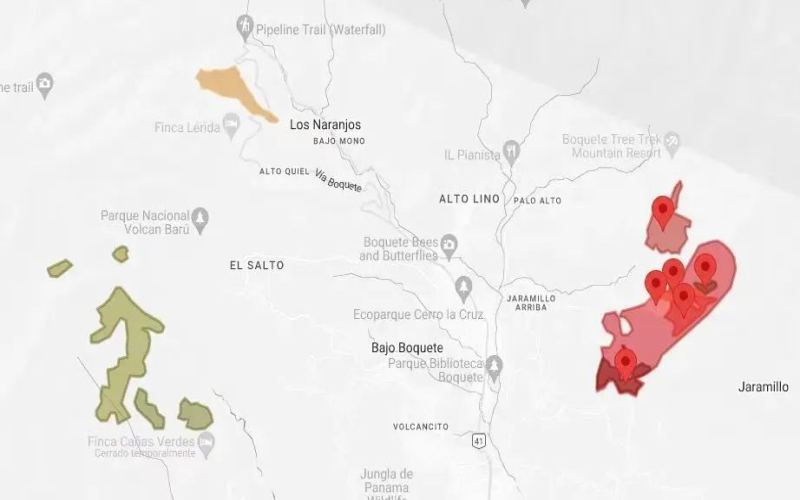
A Complete Guide to Panama Hacienda La Esmeralda Geisha Coffee: Red, Green, and Blue Label Grading, Flavor Characteristics, and Price Reference
Hacienda La Esmeralda is the discoverer and promoter of Panama Geisha flavor, and its red, green, and blue label grading system has always been a focal point for coffee enthusiasts. This article starts with the climate and soil conditions of Panama's coffee-growing regions, outlines the five major brand classifications of Hacienda La Esmeralda, and focuses on explaining the differences between Geisha red label and green label, their cup profile performance, and the cost-effective options recommended by Front Street Coffee. Whether you are trying Geisha for the first time or want to gain a deeper understanding of Hacienda La Esmeralda's grading logic, this article provides clear and practical reference. [more…]
Flavor Analysis and Brewing Suggestions for Guatemala Santa Felisa Estate Geisha Orange Honey Process Coffee
Guatemala, with its high-altitude volcanic terrain and diverse microclimates, has become an important producer of specialty coffee in Central America, and its coffees often carry a distinctive smoky note in the finish. Finca Santa Felisa in the Acatenango region, founded in 1904 and now passed down through four generations, is known for its meticulous management and diverse processing methods. This article focuses on the estate's Geisha Orange Honey process lot, analyzing its flavor layers from grinding to tasting, including floral notes, honey, blueberry, apricot, and bergamot, while also introducing the estate's practices in varieties, post-harvest processing, and human care. It also shares Front Street Coffee's brewing parameters and bean-resting recommendations to help coffee enthusiasts better present the delicate elegance of this bean. [more…]

Yunnan Small-Bean Coffee: Origin Environment and Flavor Analysis — From Botanical Characteristics to Quality Grading
Yunnan, as China's most important coffee-producing region, nurtures outstanding quality Arabica coffee thanks to its subtropical mountain climate south of the Tropic of Cancer and its fertile plateau red soil. This article systematically reviews the introduction history, main cultivated varieties, producing region distribution, and flavor characteristics of Yunnan coffee, and provides a detailed introduction to the botanical features—roots, stems, leaves, flowers, and fruit—of Arabica coffee as well as its grading standards. Whether you are a coffee enthusiast just starting out or a seasoned player hoping to gain a deeper understanding of the past and present of Yunnan beans, you can gain from it a complete understanding of the relationship between this land and coffee, while also seeing Front Street Coffee's continued attention to and recommendations for Yunnan coffee. [more…]
Ethiopia Konga Cooperative Coffee Bean Pour-Over Flavor Analysis and Yirgacheffe Tasting Guide
Konga Cooperative is a coffee producer organization in the Yirgacheffe region that has attracted much attention in recent years, with as many as 24 cupping scores above 90 on Coffee Review, and in 2017 it even achieved a high score of 94. This article introduces this cooperative affiliated with YCFCU, helping you understand its red soil cultivation advantages, washed processing flow, and the captivating honey pomelo tea-like flavor in its washed lots. At the same time, Front Street Coffee also sorts out the flavor differences between Yirgacheffe and Sidama for you, helping you better choose and taste. [more…]
A Complete Guide to the Bourbon Coffee Family: Flavor Differences Between Red Bourbon, Yellow Bourbon, and French Mission Bourbon, and Their Typica Origins
Bourbon is an ancient coffee variety that mutated from Typica, with rounded beans and elegant flavors, making it a consistent winner among specialty coffees in the Americas. This article systematically reviews the origin and spread of Bourbon coffee, the characteristic differences between Red Bourbon and Yellow Bourbon, and the story of French Mission Bourbon's spread in Africa, and provides detailed roasting recommendations and flavor profiles for three Bourbon beans: Brazil Red Bourbon, Brazil Queen, and Kenya Hania. Bourbon presents similar base notes such as dark chocolate, nuts, and caramel under different terroir conditions, while also developing unique characteristics like tropical fruits due to microclimate and soil differences. Whether you are a beginner just getting into specialty coffee or a seasoned connoisseur wanting to understand the variety's origins in depth, you can gain practical reference from it. [more…]
Detailed Guide to the Sun-Dried Flavor of Kenya Chania Estate French Mission Coffee Beans
Front Street Coffee's Kenya Chania Estate French Mission coffee showcases a distinctive flavor profile through a refined natural process. These beans are grown at a high altitude of 1,900 meters, and the variety is French Mission Varietal—a Bourbon heirloom introduced to Kenya by French missionaries in 1892, unmodified by science and preserving the purest Bourbon genetics. The Harris family of Chania Estate has a deep understanding of the local red volcanic soil, and by combining it with suitable temperature and rainfall conditions, they have cultivated this coffee's thick chocolate finish and vivid natural fruit notes. On the palate, you can feel a dense, rich body, accompanied by alluring berry, red wine, and malt sugar aromas, with abundant oiliness and a long finish. The following will introduce its origin background and flavor performance in detail. [more…]